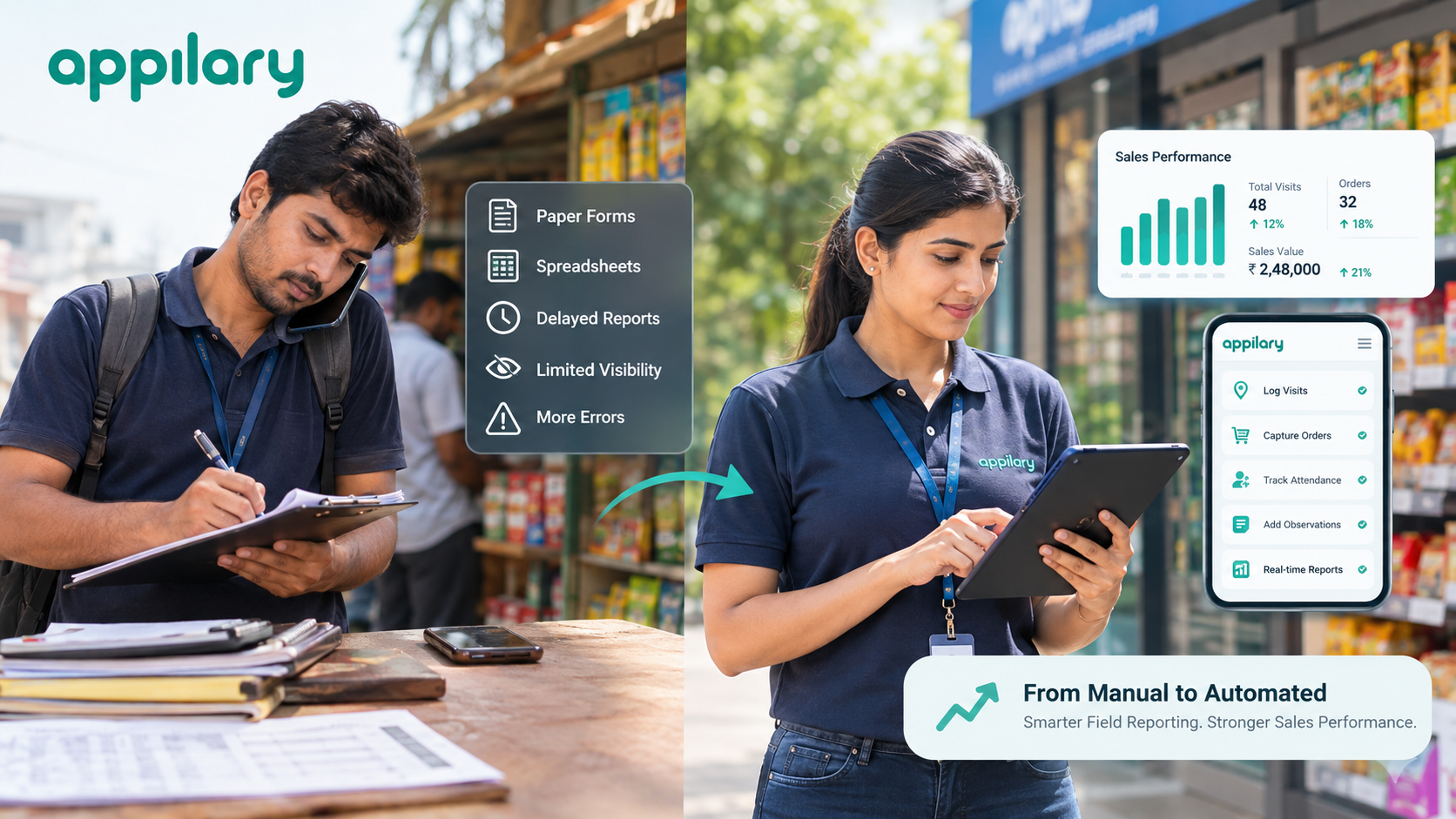
In today's competitive business environment, making the right decision at the right time can directly impact business growth. However, many businesses still rely on manual reports, spreadsheets, delayed updates, and disconnected data to monitor their sales performance. This makes it difficult for sales managers to identify problems, track field activities, and respond quickly to changing market conditions.
Real-time sales reporting is changing how businesses manage their sales operations. By providing instant access to accurate sales data, performance metrics, and field-level insights, businesses can make faster, smarter, and more informed decisions.
With the help of sales force automation software and advanced sales analytics, organizations can monitor sales performance, improve team productivity, identify growth opportunities, and maintain better control over their distribution networks.
Let's understand how real-time sales reporting helps businesses improve decision-making and achieve better sales performance.
What Is Real-Time Sales Reporting?
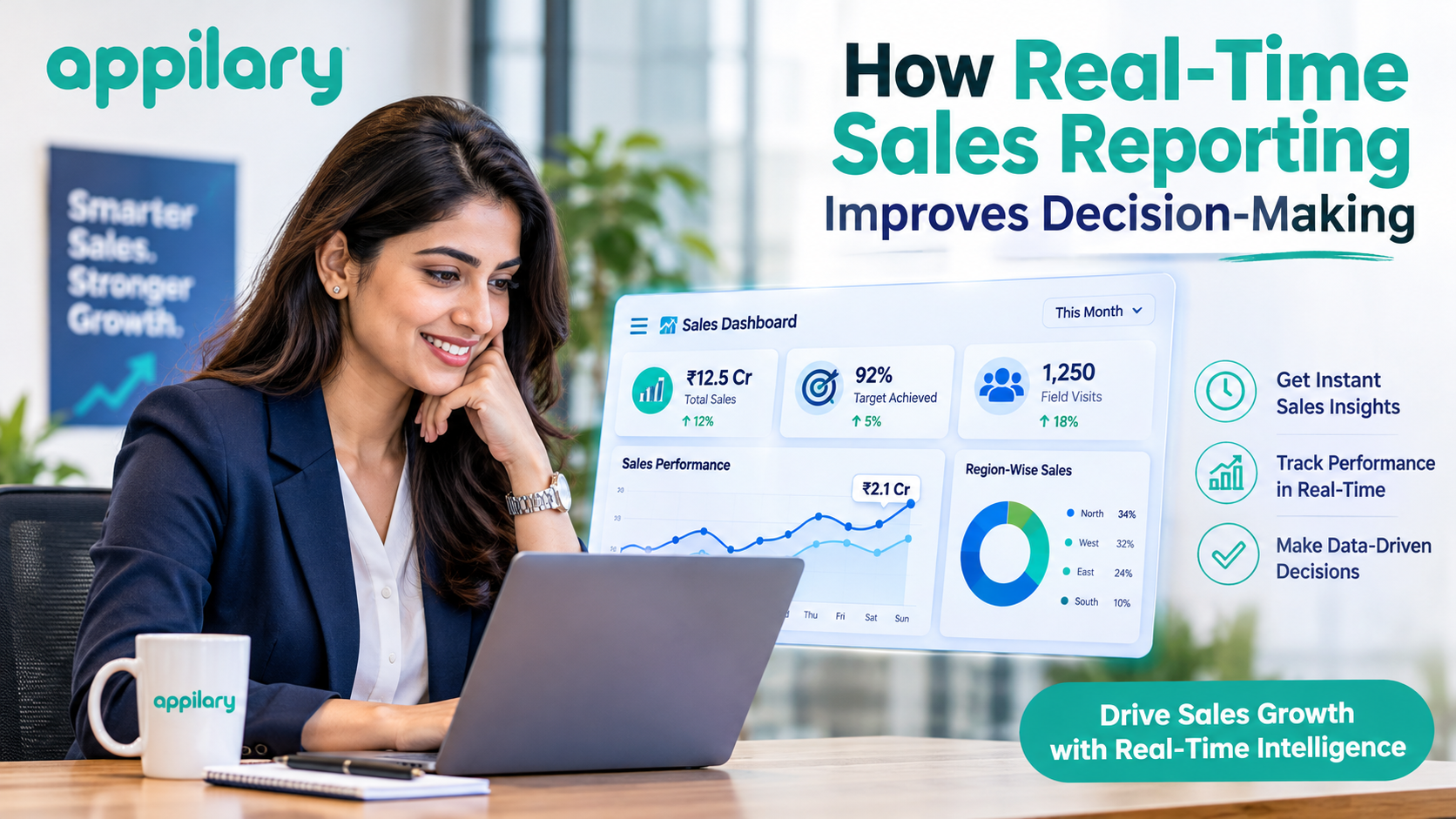
Real-time sales reporting is the process of collecting, updating, and analysing sales information as activities happen. Instead of waiting for daily, weekly, or monthly reports, sales managers can access updated business information through centralized dashboards.
A real-time sales reporting system provides visibility into important business activities, including:
- Daily sales performance and target achievement.
- Sales representative productivity and attendance.
- Retailer and distributor visits.
- Order booking and sales transactions.
- Product availability and stock movement.
- Territory-wise and region-wise sales performance.
- Market execution and field activity updates.
With real-time sales data, businesses no longer need to depend entirely on manual reporting or follow-up calls to understand what is happening in the market.
Why Traditional Sales Reporting Is No Longer Enough
Traditional sales reporting methods often create gaps between actual market activities and management decisions.
When sales representatives collect information manually and submit reports at the end of the day, managers may receive outdated or incomplete information.
Some common challenges include:
1. Delayed Business Insights
Manual reporting takes time. By the time sales data reaches management, the opportunity to take immediate corrective action may already be lost.
2. Limited Field Sales Visibility
Managers often struggle to understand whether sales representatives are following their assigned routes, visiting planned outlets, and completing scheduled activities.
3. Inaccurate Sales Data
Manual data entry increases the possibility of duplicate records, incorrect figures, and reporting errors.
4. Slow Decision-Making
Without updated sales information, businesses cannot quickly identify underperforming territories, declining sales, or distribution gaps.
5. Difficulty Tracking Sales Targets
When performance data is scattered across multiple spreadsheets and systems, comparing actual sales with assigned targets becomes difficult.
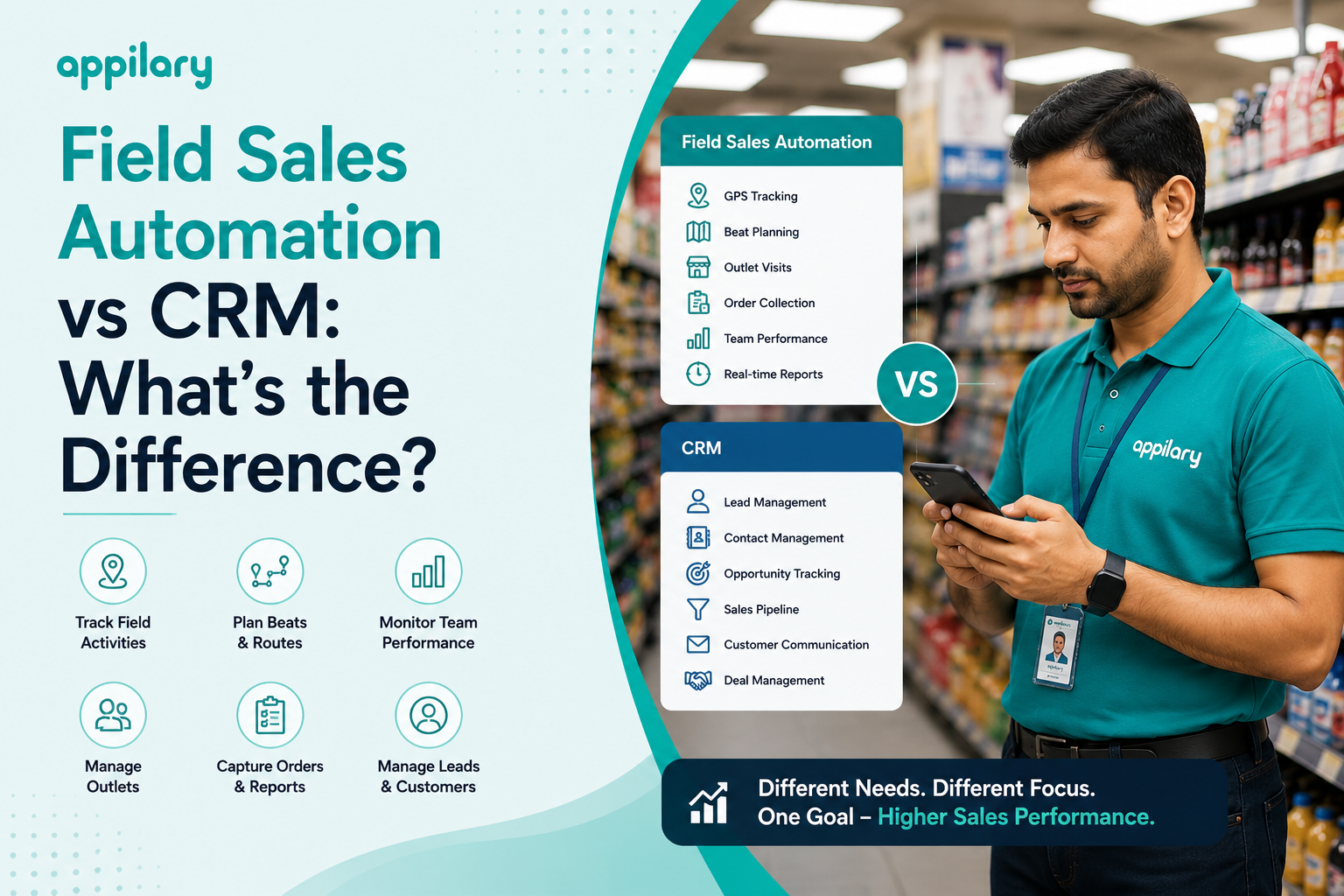
This is why businesses are increasingly adopting sales reporting software and field sales automation solutions to improve operational visibility.
7 Ways Real-Time Sales Reporting Improves Business Decision-Making
1. Enables Faster and Data-Driven Decisions
One of the biggest advantages of real-time sales reporting is immediate access to business information.
Sales managers can monitor current performance, compare sales figures, and identify areas that require attention without waiting for manual reports.
For example, if a particular territory is consistently underperforming against its sales target, management can identify the issue early and take corrective action.
Instead of making decisions based on assumptions, businesses can use actual sales data to make informed decisions.
2. Improves Sales Team Productivity and Accountability
Managing a distributed field sales team requires continuous visibility into daily activities.
Real-time sales reporting helps managers track:
- Sales representative attendance.
- Daily planned and completed visits.
- Productive and non-productive calls.
- Outlet coverage.
- Sales target achievement.
- Field activity completion.
These insights help organizations understand how effectively their sales teams are utilizing their working hours.
With field sales management software, managers can identify productivity gaps, improve team accountability, and optimize field operations.
3. Provides Better Sales Performance Tracking
Understanding sales performance is essential for achieving business targets.
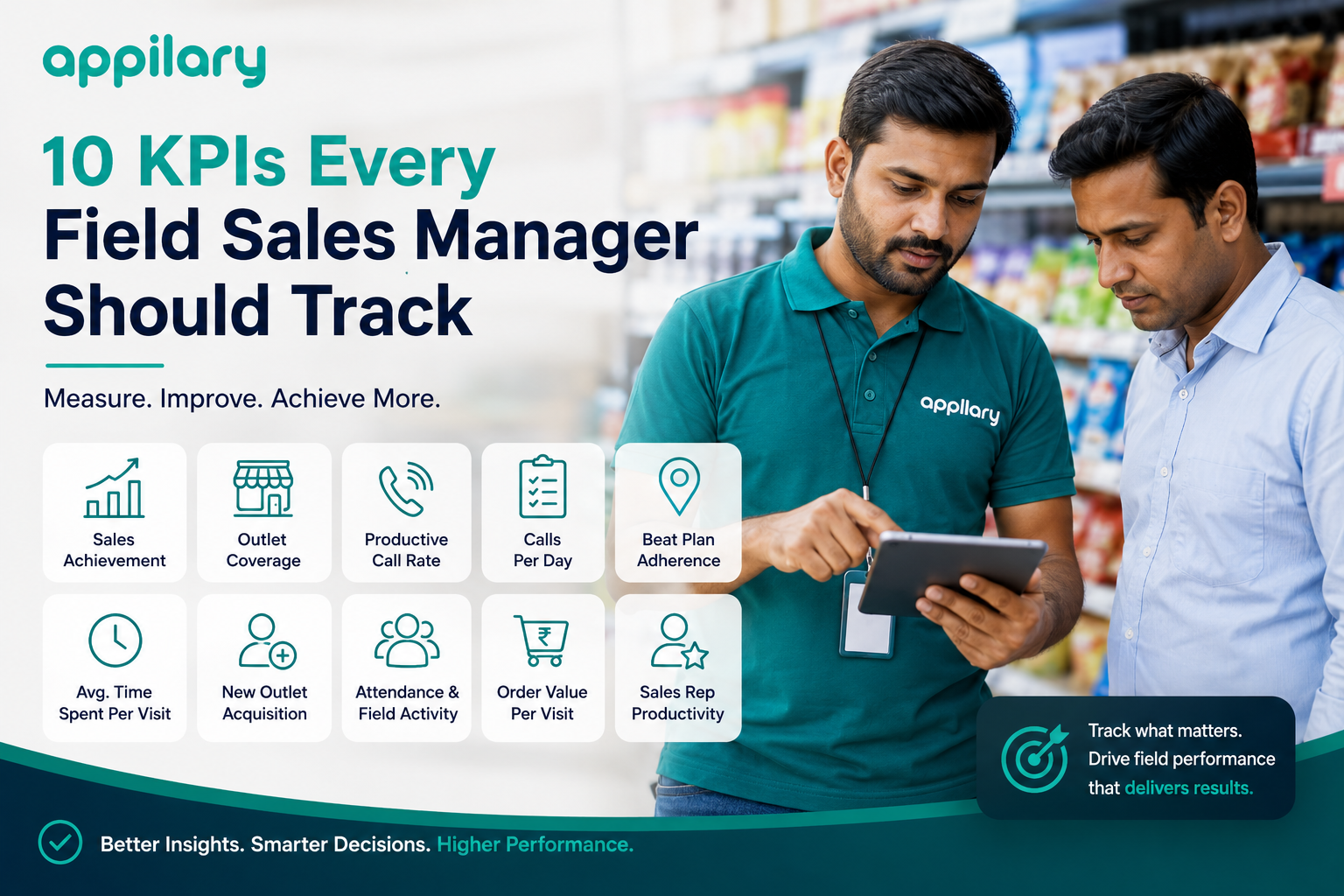
Real-time sales dashboards allow managers to evaluate key performance indicators (KPIs), such as:
- Daily, weekly, and monthly sales.
- Target versus achievement.
- Territory-wise sales growth.
- Product-wise sales performance.
- Sales representative performance.
- Outlet coverage and order conversion.
These performance indicators help businesses understand what is working and where improvements are required.
Rather than reviewing sales performance only at the end of the month, managers can monitor progress continuously and make timely adjustments.
4. Helps Identify Market Trends and Sales Opportunities
Sales data provides valuable insights into customer demand, product performance, and market behavior.
By analysing real-time sales reports, businesses can identify:
- Fast-moving and slow-moving products.
- High-performing sales territories.
- Changes in retailer purchasing patterns.
- Seasonal demand fluctuations.
- Underperforming distribution areas.
- Opportunities for new outlet expansion.
For FMCG businesses, these insights are particularly important because product demand, retail availability, and competitor activities can change rapidly.
Real-time sales analytics helps businesses identify market opportunities and plan their sales strategies more effectively.
5. Strengthens Distributor and Retailer Management
An effective distribution network is essential for business growth, especially in the FMCG sector.
However, limited visibility into distributor operations and retailer-level activities can create challenges in monitoring product movement and market coverage.
Real-time sales reporting helps businesses monitor distributor performance, retailer visits, order booking, and outlet-level sales activities.
With better visibility into distribution operations, management can identify coverage gaps, improve distributor coordination, and ensure products reach the right retail outlets.
This creates a more transparent and efficient distribution ecosystem.
6. Supports Better Inventory and Demand Planning
Poor inventory management can lead to stockouts, excess inventory, and lost sales opportunities.
Real-time sales information helps businesses understand product demand and monitor sales movement across different territories.
For example, if a product is experiencing increased demand in a particular region, businesses can use sales insights to plan replenishment and coordinate inventory requirements more effectively.
By connecting sales reporting with inventory and distribution data, organizations can improve demand forecasting, reduce stock-related issues, and make better supply planning decisions.
7. Improves Management Visibility Through Centralized Dashboards
When business information is scattered across different spreadsheets, departments, and reporting systems, getting a complete picture of sales operations becomes difficult.
A centralized sales reporting dashboard brings important business information together in one place.
Management can access:
- Overall sales performance.
- Region-wise and territory-wise reports.
- Field team productivity.
- Distributor and retailer performance.
- Sales target achievement.
- Product and category performance.
This centralized visibility helps decision-makers understand business performance quickly and coordinate actions across different teams.
Key Features to Look for in Real-Time Sales Reporting Software
Choosing the right sales reporting software is important for businesses that want to improve their sales operations.
An effective sales reporting solution should offer the following capabilities:
Live Sales Dashboard: Provides updated sales information and business performance indicators in a centralized dashboard.
Field Force Tracking: Helps managers monitor field team attendance, location, planned visits, and completed activities.
Automated Sales Reports: Reduces manual reporting by automatically collecting and organizing sales information.
Target vs. Achievement Reports: Helps businesses compare actual sales performance against assigned targets.
Territory-Wise Analytics: Provides insights into region-wise, area-wise, and distributor-wise performance.
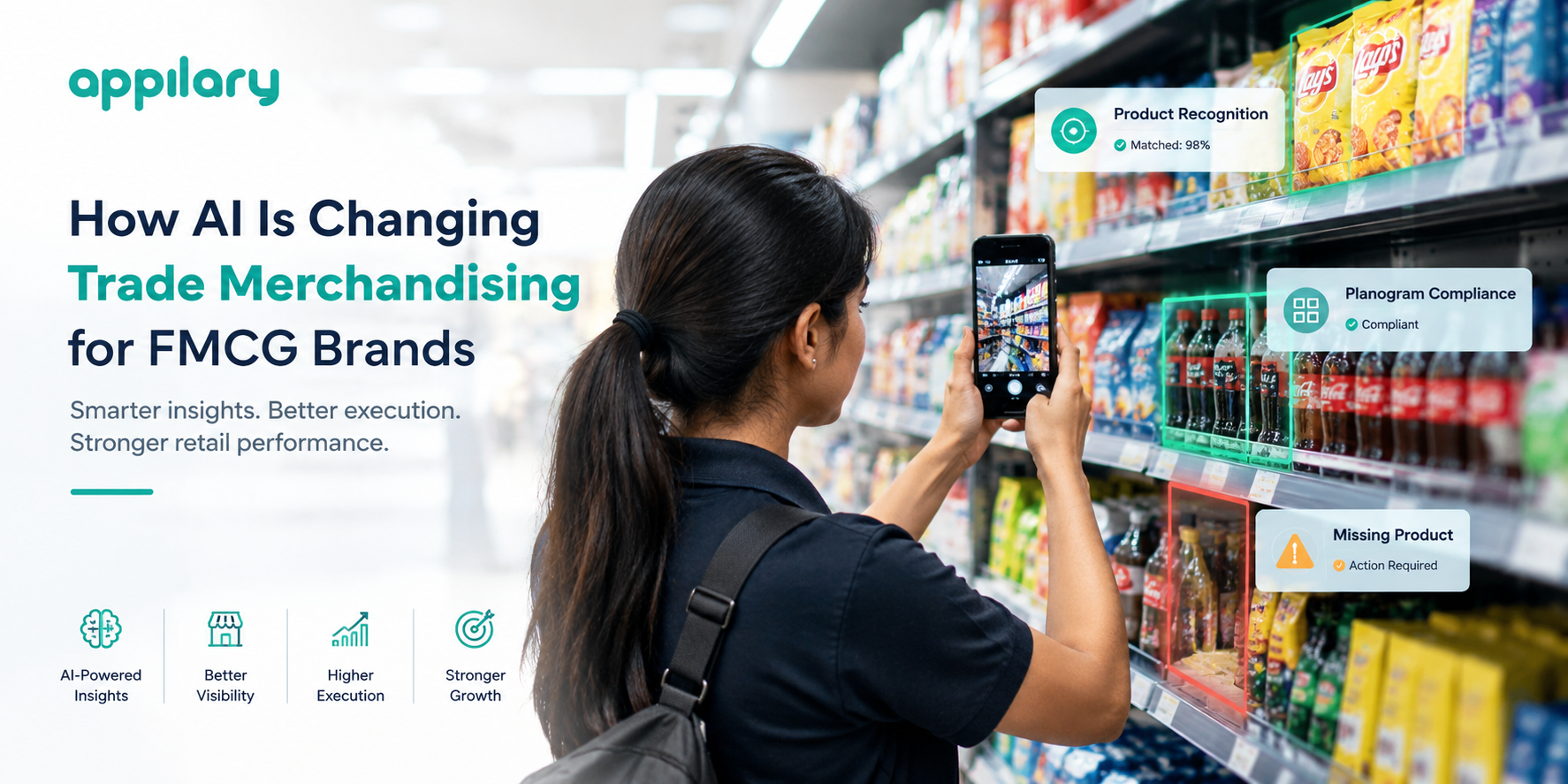
Retail Execution Monitoring: Tracks retailer visits, outlet coverage, product availability, and merchandising activities.
Customizable Reports: Allows businesses to generate reports based on specific business requirements.
Mobile Accessibility: Enables field teams and managers to access relevant information through mobile devices.
These capabilities make sales reporting more accurate, accessible, and useful for everyday business decisions.
How Real-Time Sales Reporting Benefits FMCG Businesses
For FMCG companies, sales operations involve multiple distributors, sales representatives, retailers, and geographical territories.
Managing these interconnected activities without real-time information can create significant operational challenges.
Real-time sales reporting helps FMCG businesses:
- Monitor distributor and retailer performance.
- Improve secondary sales visibility.
- Track outlet coverage and beat productivity.
- Identify product availability gaps.
- Monitor field sales execution.
- Analyse territory-wise sales performance.
- Improve sales team productivity.
- Make faster market-level decisions.
By combining field sales automation with real-time reporting and analytics, FMCG organizations can build a more transparent, accountable, and performance-driven sales ecosystem.
How Appilary Helps Businesses Make Smarter Sales Decisions
Having access to the right information at the right time is essential for managing modern sales operations.
Appilary helps businesses improve field sales visibility and operational efficiency through technology-driven sales force automation and retail execution solutions.
With Appilary, businesses can streamline field activities, monitor sales performance, and gain better visibility into their distribution networks.
Key capabilities include:
- Real-Time Sales Monitoring: Access sales performance information and track business activities through centralized reporting dashboards.
- Field Force Management: Monitor attendance, field activities, planned visits, and sales team productivity.
- Beat and PJP Management: Plan sales routes and track planned versus completed market visits.
- Retail Execution Monitoring: Track outlet visits, product availability, POSM execution, and in-store activities.
- Distributor and Retailer Visibility: Improve monitoring of distribution networks and retail-level operations.
- Performance Analytics: Evaluate sales KPIs and identify opportunities to improve business performance.
By bringing field sales activities and business reporting together, Appilary enables organizations to move beyond manual reporting and make more informed operational decisions.
Explore how Appilary Sales Force Automation can help improve your sales operations and business visibility.
Conclusion
Real-time sales reporting is no longer just a reporting convenience; it is an important part of effective business management.
From improving sales team productivity and monitoring distribution networks to identifying market opportunities and tracking business performance, real-time sales data helps organizations make faster and more informed decisions.
Businesses that move from manual reporting to automated sales reporting systems can improve visibility, reduce reporting delays, and respond more effectively to market changes.
With the right sales force automation software and centralized reporting dashboard, organizations can transform everyday sales information into actionable business insights and build a stronger foundation for sustainable growth.